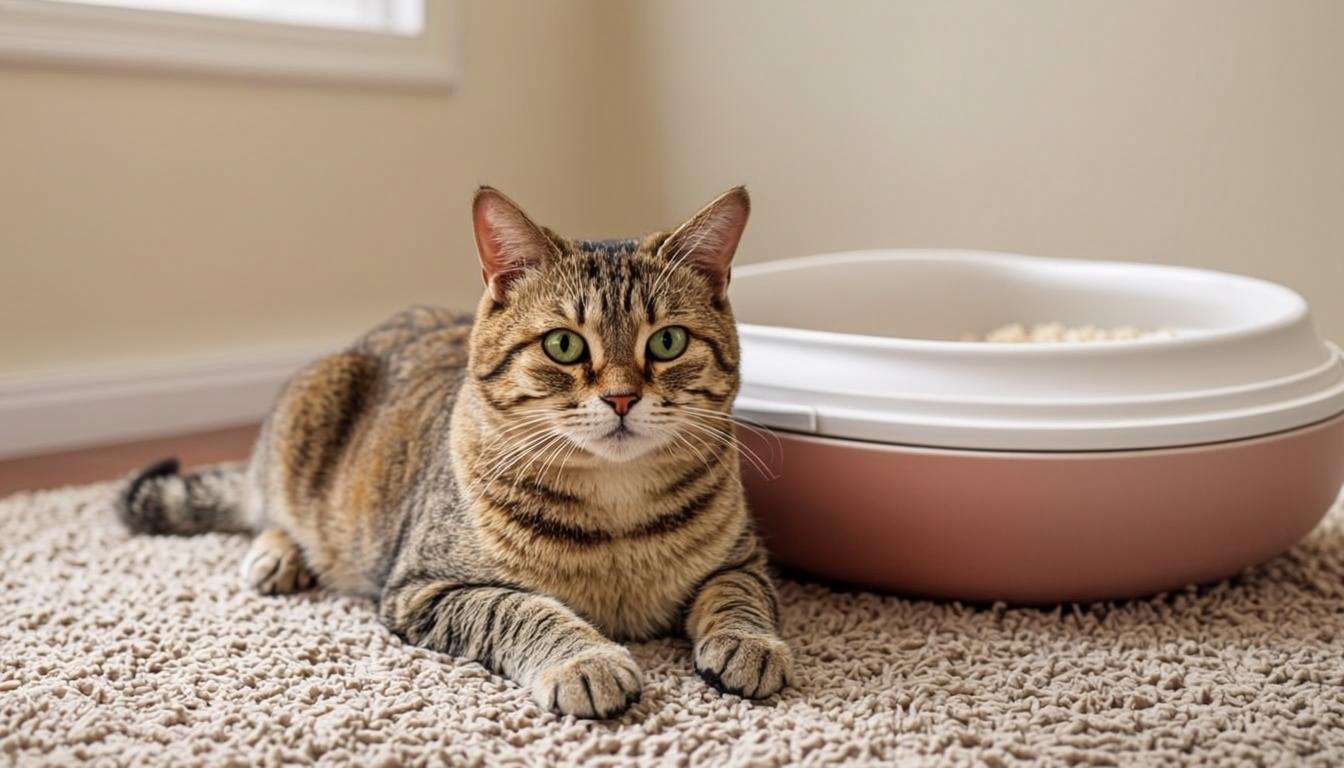
Cat litter is an essential element of your cat's well-being, but choosing the right one and maintaining it correctly can seem complex. In this comprehensive guide, we will explain how to select the ideal litter type, find the perfect location, and maintain impeccable hygiene to ensure your feline's comfort.
The Different Types of Litter
The cat litter market is vast, and each option offers specific advantages. Here are the main types available:
Mineral Litter
Mineral litter, often composed of bentonite or silica, is highly absorbent and effectively controls odors. It forms solid clumps, making cleaning easier. Ideal for owners looking for a practical and low-dust solution.
Plant-Based Litter
Made from natural materials like wood, corn, or wheat, plant-based litter is eco-friendly and biodegradable. Perfect for sensitive cats or owners concerned about the environment, it does require more frequent changes, however.
Eco-Friendly Litter
Eco-friendly litter, often made from recycled paper or natural fibers, is a sustainable option. It is gentle on your cat's paws and low-dust, which is recommended for cats with respiratory issues.
Wood or Paper Pellet Litter
Wood or paper pellets offer a natural texture and good absorption. This litter is economical but may be less effective at controlling odors in the long term.
The Ideal Location for the Litter
The choice of the litter's location is crucial to encourage your cat to use it. Here are a few recommendations:
- Keep it away from living areas: Place the litter in a quiet, low-traffic area, such as a bathroom, garage, or a quiet corner of the basement.
- Ensure easy access: Your cat should be able to access it freely, without obstacles.
- Avoid noise and vibrations: Keep the litter away from washing machines, dryers, or noisy areas.
- Separate feeding and toilet areas: Cats are clean animals and do not eat near their toilet.
Litter Maintenance: Best Practices
Regular litter maintenance is essential to prevent odors and maintain your cat's health. Follow these steps:
Daily Cleaning
Remove solid waste (feces and clumps) every day using a suitable scoop. This reduces odors and encourages your cat to use the litter regularly.
Complete Litter Change
Depending on the type of litter, change it completely:
- Mineral litter: Every 7 to 10 days.
- Plant-based litter: Every 3 to 5 days.
- Eco-friendly litter: Every 4 to 7 days.
Cleaning the Box
Wash the litter box with warm water and white vinegar once a month to eliminate bacteria and odor residue.
FAQ: Frequently Asked Questions About Litter
What is the best litter for a sensitive cat?
For sensitive cats, opt for plant-based or eco-friendly litters, which are gentle on the paws and low-dust. Test several types to find the one that best suits your companion.
How many litter boxes should I have?
The general rule is to have one additional box per cat, plus one. For example, for two cats, plan for three litter boxes to avoid conflicts and ensure hygiene.
How to reduce bad odors?
Use an absorbent litter, clean the waste daily, and add baking soda to the bottom of the box to neutralize odors. Rigorous maintenance is the key!
In summary, choosing the right litter, placing it strategically, and maintaining it regularly are essential for your cat's well-being. To discover innovative solutions tailored to your needs, explore our product range on GatoPouch.