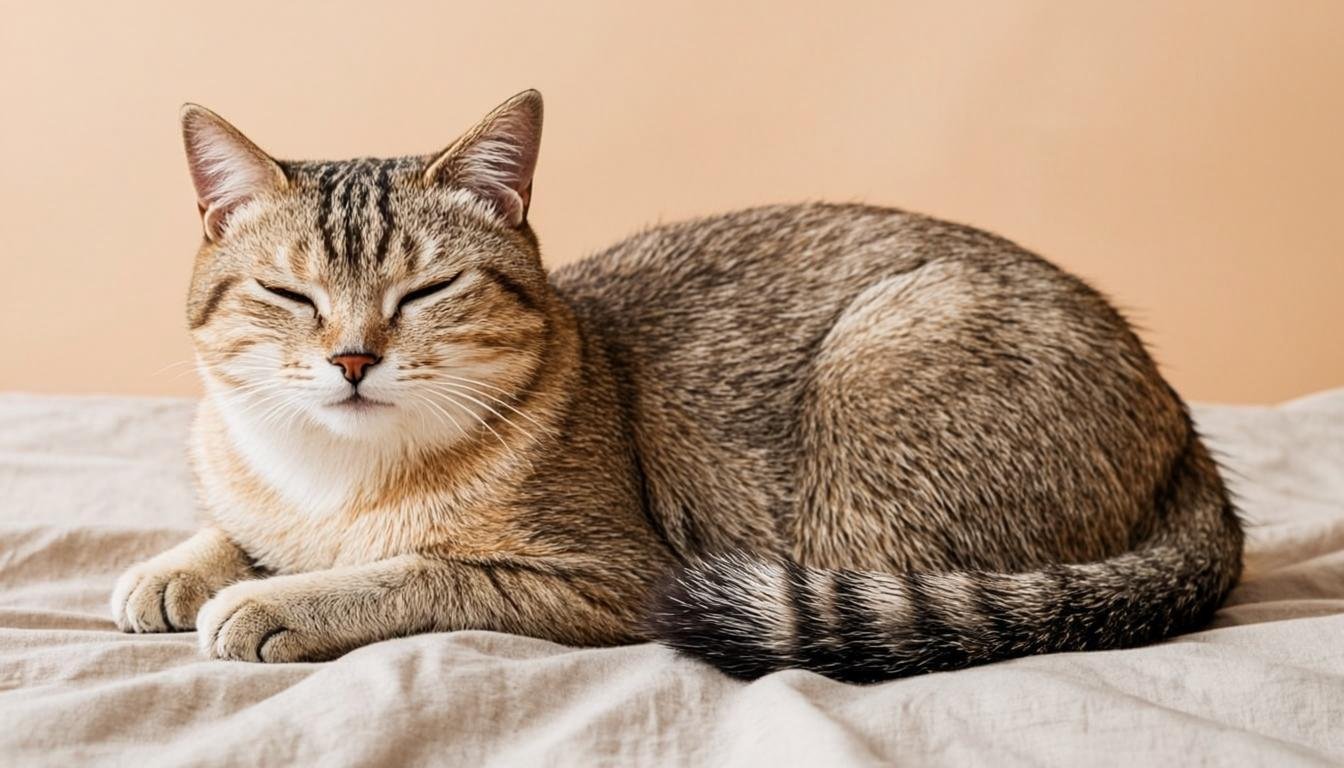
How Many Times a Day Should You Feed Your Cat?
The question of meal frequency is one of the most common among cat owners. And for good reason: a proper diet is the foundation of your feline's health. A poorly fed cat risks obesity, diabetes, or conversely, malnutrition. In this complete guide, we explain everything you need to know about your cat's feeding frequency.
The Ideal Frequency According to the Cat's Age
Age is the first factor to consider when determining how many times a day to feed your cat. Their needs evolve throughout their life.
Kitten (2 to 6 months)
A kitten is in a period of rapid growth and has high energy needs. It is recommended to give them 4 to 6 small meals per day. Their stomach is small, but their metabolism is fast.
- Plan for about 30 to 50 g of food per day
- Use special kitten kibble (high in protein and calories)
- Gradually switch to 3 meals around 4-5 months of age
Adult Cat (6 months to 7 years)
An adult cat needs 2 to 3 meals per day. You can choose:
- 2 meals (morning and evening) — the most common and practical option
- 3 meals (morning, noon, evening) — ideal for gluttonous cats
- Free-feeding — possible if your cat can self-regulate
Senior Cat (over 7 years)
Senior cats have a slower metabolism. Opt for 2 meals per day with a suitable diet:
- Senior kibble (lower in calories, higher in fiber)
- Increased weight monitoring
- Annual veterinary check-up
How Much Food to Give?
The amount depends on several factors:
| Cat's Weight | Kibble/Day | Activity | |---------------|-----------------|----------| | 2-3 kg | 30-40 g | Sedentary | | 3-5 kg | 40-60 g | Moderate | | 5-7 kg | 60-80 g | Active | | 7+ kg | 80-100 g | Very Active |
Factors That Influence the Quantity
- Breed: a Maine Coon eats more than a Siamese
- Activity: an indoor cat burns fewer calories
- Neutering: neutered cats need 20% fewer calories
- Season: in winter, needs increase slightly
Kibble vs. Wet Food: Which to Choose?
Kibble
- Convenient (free-feeding is possible)
- Good for teeth (abrasive effect)
- Less expensive
- Risk of weight gain if free-feeding is uncontrolled
Wet Food
- More palatable
- Contributes to water intake (important for cats that drink little)
- More expensive
- Doesn't keep as long once opened
Our advice: alternate between kibble and wet food to enjoy the benefits of both.
Mistakes to Avoid
1. Uncontrolled Free-Feeding
Some cats don't know when to stop. Free-feeding can lead to obesity, the number one nutritional disease in cats.
2. Giving Table Scraps
Human food is often too salty, too fatty, and can contain foods toxic to cats (onions, chocolate, etc.).
3. Abruptly Changing Brands
Transition over 7 to 10 days to avoid digestive issues.
FAQ
Can I leave kibble out for my cat all day?
Yes, if your cat can self-regulate. Monitor their weight every month. If they are gaining weight, switch to scheduled meals.
My cat eats too quickly, what should I do?
Use a slow-feeder bowl or spread the kibble out on a flat surface. Food puzzles are also excellent.
Should I vary the brands of kibble?
Not necessarily. If your cat tolerates their current brand well and it is of good quality, there's no need to change. Dietary consistency is beneficial for a cat's digestive system.
Conclusion
Feeding your cat 2 to 3 times a day with a quality diet suited to its age and weight is the key to a long and healthy life. Remember that every cat is unique: observe their behavior, weight, and coat to adjust as necessary.
To make mealtimes even more special, discover the GatoPouch — the cat-wearing sweatshirt that lets you keep your cat close while you prepare their meals.